

Dr. Liu at Innovative Spine in San Antonio, TX, offers skilled care for patients who may benefit from spinal fusion. Known for his personalized treatment plans, Dr. Liu carefully evaluates each patient’s spine condition to determine if fusion is the right solution for stabilizing the spine and relieving persistent pain. Using advanced, minimally invasive techniques, he prioritizes approaches that reduce recovery time and improve long-term outcomes. Dr. Liu’s commitment to excellence in spinal care ensures that patients in San Antonio receive compassionate, cutting-edge treatment designed to enhance their quality of life and overall mobility.
Do you know why spinal fusions are performed? Read here:
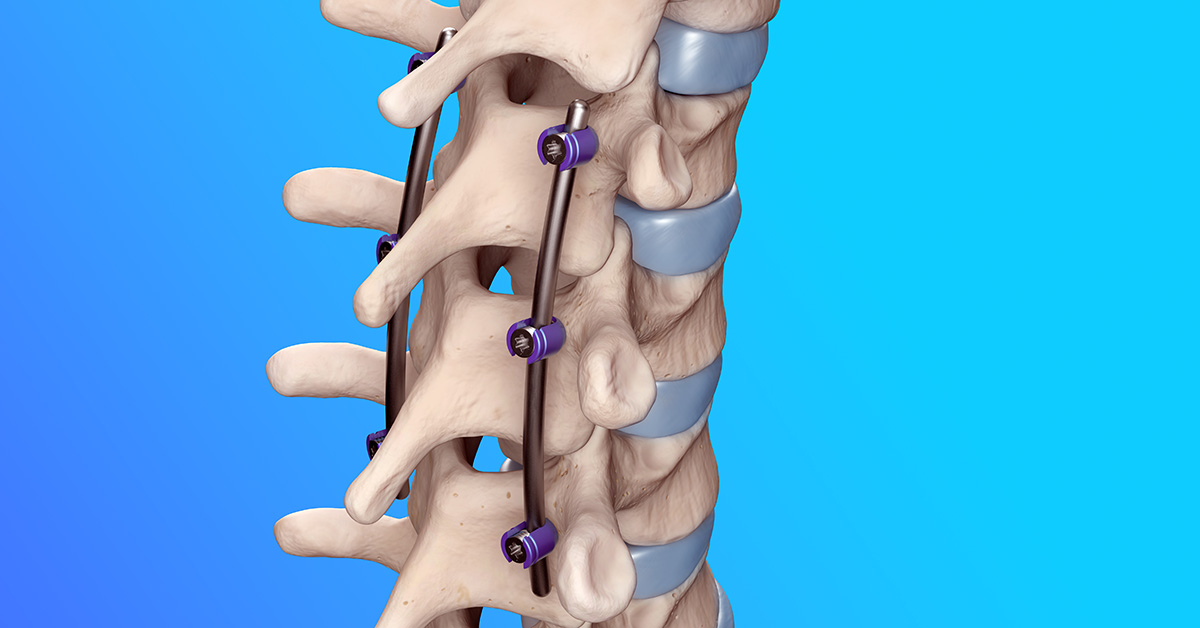
Spinal Fusion
Spinal fusion is a surgical procedure aimed at stabilizing the spine by permanently connecting two or more vertebrae, eliminating motion between them. This procedure is often recommended for individuals suffering from chronic back pain due to conditions such as degenerative disc disease, scoliosis, or spinal stenosis. By fusing the vertebrae, spinal fusion can provide relief from pain and improve overall spine stability.
Why is Spinal Fusion Performed?
Spinal fusion is typically considered when other treatments, such as physical therapy, medications, or less invasive surgeries, have failed to alleviate symptoms. The procedure is designed to address spinal instability, deformity, or severe degeneration that causes pain or impairs function. Common conditions that may require spinal fusion include:
- Degenerative Disc Disease: When the discs between the vertebrae deteriorate, causing pain and instability.
- Scoliosis: A curvature of the spine that can lead to pain and difficulty with posture and movement.
- Spinal Stenosis: Narrowing of the spinal canal that compresses the spinal cord or nerves, leading to pain and neurological symptoms.
- Spondylolisthesis: A condition where one vertebra slips forward over the one below it, causing instability and pain.
- Fractures: Severe spinal fractures that compromise the stability of the spine.
The Spinal Fusion Procedure
Spinal fusion surgery involves joining two or more vertebrae together to prevent movement between them. This can be achieved through various techniques, depending on the location and extent of the problem. The basic steps of the procedure include:
- Incision: The surgeon makes an incision over the affected area of the spine. The location of the incision varies depending on whether the fusion is performed on the cervical (neck), thoracic (upper back), or lumbar (lower back) spine.
- Bone Graft Placement: A bone graft, which can be taken from the patient's own body (autograft), a donor (allograft), or synthetic materials, is placed between the affected vertebrae. The graft promotes bone growth, which eventually fuses the vertebrae together.
- Stabilization: Metal plates, screws, or rods may be used to hold the vertebrae in place while the bone graft heals and fusion occurs. This hardware provides immediate stability to the spine and supports the fusion process.
- Closing the Incision: Once the bone graft and hardware are in place, the surgeon closes the incision with sutures or staples.
The procedure can be performed using traditional open surgery or a minimally invasive approach, depending on the patient's condition and the surgeon's recommendation. Minimally invasive techniques typically involve smaller incisions and less disruption to surrounding tissues, which can lead to a shorter recovery time.
Recovery and Rehabilitation
Recovery from spinal fusion surgery varies depending on the individual and the complexity of the surgery. Most patients stay in the hospital for a few days following the procedure. Pain management is an important part of recovery, and patients may be prescribed pain relievers to help manage discomfort in the days and weeks after surgery.
Physical therapy is a key component of the recovery process. A physical therapist will work with the patient to gradually increase strength, flexibility, and mobility. Exercises are designed to support the spine, improve posture, and promote healing. Full recovery can take several months, and during this time, patients are advised to avoid heavy lifting, bending, or twisting to protect the fusion site.
Risks and Considerations
As with any surgery, spinal fusion carries certain risks, including infection, blood clots, nerve damage, and complications related to anesthesia. There is also the possibility that the fusion may not fully relieve symptoms or that adjacent segments of the spine may develop issues due to increased stress. However, for many patients, the benefits of pain relief and improved stability outweigh these risks.
It is important for patients to have a detailed discussion with their healthcare provider about the potential benefits and risks of spinal fusion. Understanding the procedure and having realistic expectations about recovery can help ensure a successful outcome.
Spinal fusion is a significant surgical procedure that can provide long-term relief for individuals suffering from chronic back pain and spinal instability. While it is not without risks, many patients experience improved quality of life after the surgery. If you are struggling with persistent back pain and other treatments have not provided relief, spinal fusion may be an option to consider. Consult with your healthcare provider to determine if this procedure is right for you and to discuss the best approach for your specific condition.


